
When Luther Nailed a Thesis to Western Stability

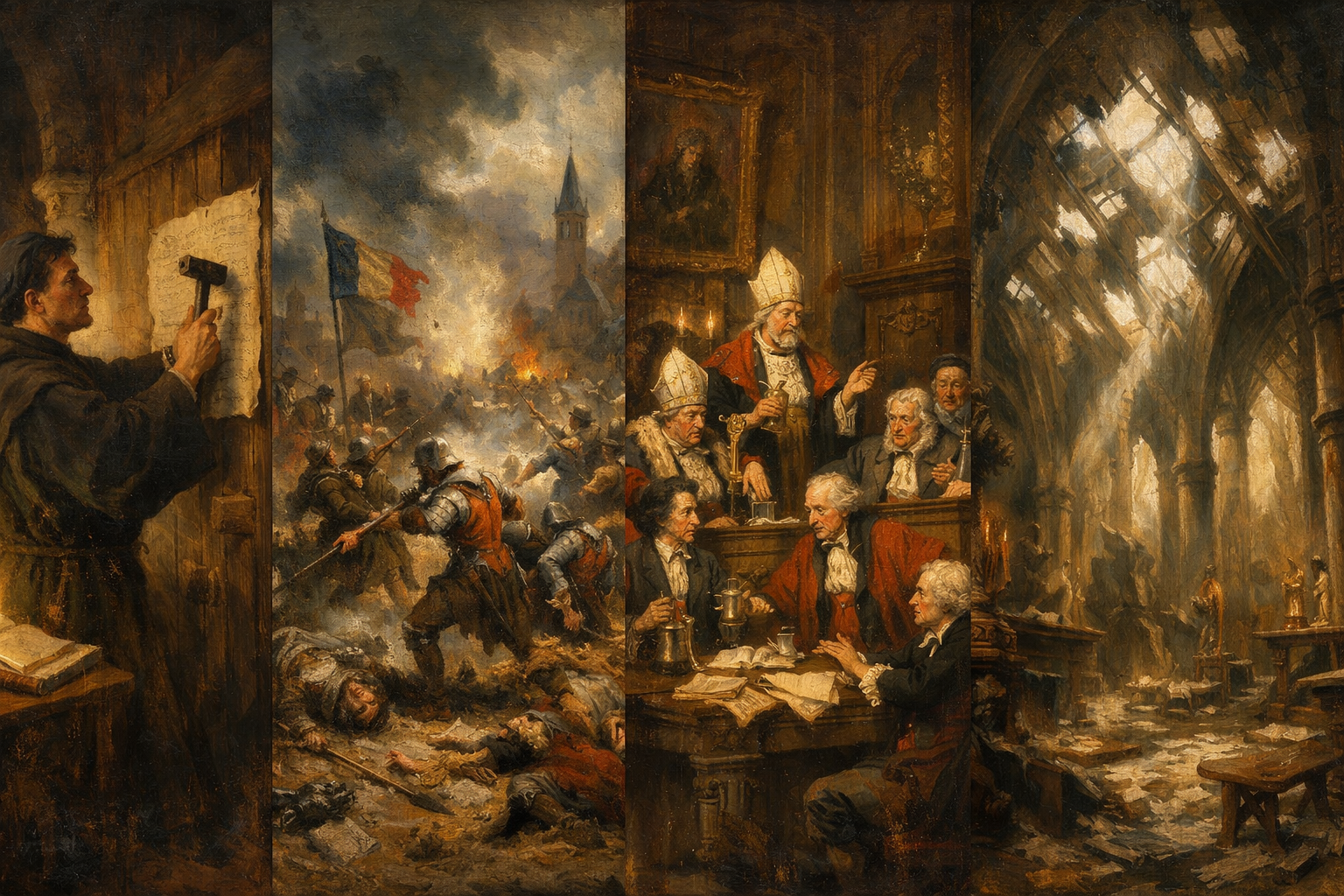
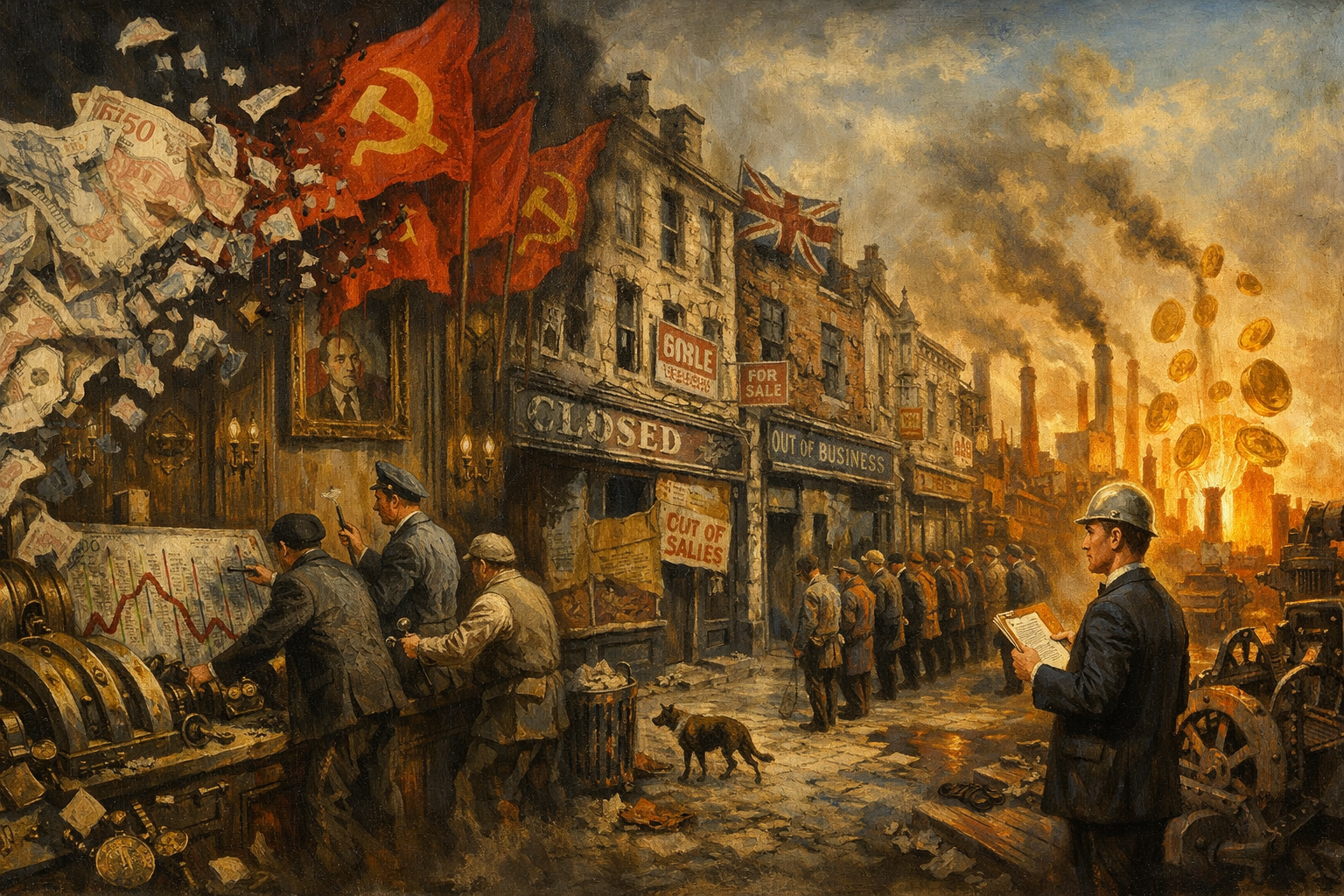
The West did not collapse in a weekend. It did not wake up confused about gender, debt, borders and meaning because of a poorly moderated comments section. The long unravelling began, as most respectable catastrophes do, with a monk, a hammer, and a document pinned to a church door in 1517. The moment Martin Luther decided Rome required a theological performance review, Europe’s spiritual plumbing was knocked loose. Five centuries later, the pipes are still rattling.

When Luther Nailed a Thesis to Western Stability Read More »

Ryanair, reputation and the almighty Dublin arrival

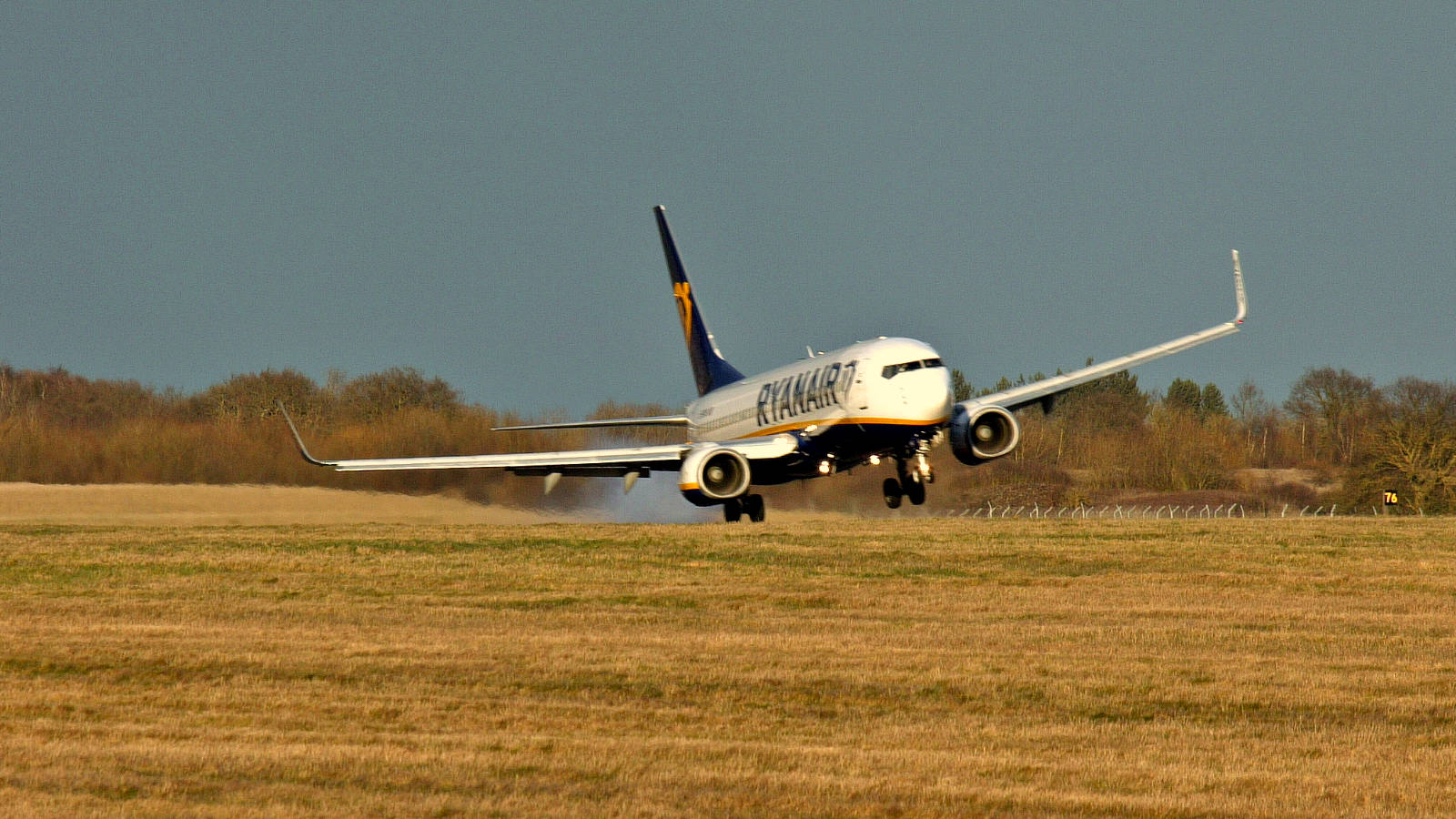
I should preface this by admitting that my negativity towards Ryanair had been quietly fermenting for years. Headlines, anecdotes, airport folklore and those inevitable stories involving somebody’s cousin being financially mugged by a suitcase had all done their work, until I had somehow developed a fairly substantial aversion to an airline I had never actually flown with. Oddly, that suspicion never quite extended to Michael O’Leary himself. There is something cheek-by-jowl about the man that I rather admire. He has spent decades bucking the system, irritating the establishment and demonstrating the deeply unfashionable economic principle that people quite like cheap things. So when my wife Haurchide and I decided it was time to give our kids their first experience of flying, we chose Dublin and, somewhat inevitably, Ryanair. I was apprehensive, but there comes a point when borrowed opinions need to be dragged into daylight and tested against reality. I wanted to discover whether Ryanair’s infamous reputation was deserved, exaggerated, or simply the cultural baggage accumulated by a company that has never pretended a low-cost airline ticket comes with a footman and a silver breakfast trolley.

Ryanair, reputation and the almighty Dublin arrival Read More »

Ireland’s Bottle Deposit Scheme: When Rubbish Becomes Worth Money

Sometimes the cleverest public policy doesn’t require a minister behind a lectern, a glossy leaflet featuring suspiciously cheerful families, or a taxpayer-funded campaign explaining why we should all become better people by Tuesday. Sometimes it merely puts a price on something we used to regard as rubbish and allows ordinary human self-interest to lumber into action. During a family visit to Dublin, I discovered that Ireland has done precisely this with plastic drinks bottles and cans. We saved ours, fed them back into the system and walked away with €2.10. Later, elsewhere in the city, I watched a homeless man collecting the bottles other people had discarded. Between my €2.10 and his bag of other people’s empties sat a remarkably elegant lesson in economics, recycling and the stubborn reliability of people responding to incentives.

Ireland’s Bottle Deposit Scheme: When Rubbish Becomes Worth Money Read More »

We’re Building on Fields While Importing More Food

Britain has perfected a modern agricultural ballet: paving over fields at home while ordering dinner from abroad, preferably via several borders, two currencies, and a shipping lane having a nervous breakdown. It is a choreography of cranes, lorries, planning notices and supermarket aisles, all moving in opposite directions with absolute confidence and no visible sense of irony.

We’re Building on Fields While Importing More Food Read More »

Truth in steel-capped boots rattles the marble halls.

There are many ways to unsettle the powerful. One may march, shout, draft legislation, or commission a commemorative mural of interpretive despair. But nothing quite rearranges the furniture of authority like a simple, inconvenient sentence spoken aloud at the wrong moment. The old Italian theorist Antonio Gramsci once observed that telling the truth is revolutionary. He was correct, not because truth carries a red flag, but because it carries a crowbar.

Truth in steel-capped boots rattles the marble halls. Read More »

The best lack all conviction, while the worst never shut up.

Civilisation, on closer inspection, has always been run by people who read quietly, doubted themselves often, and took far too long to clear their throats, while being shouted over by louder specimens who mistook volume for wisdom and enthusiasm for competence. William Butler Yeats spotted the problem over a century ago and summarised it with surgical efficiency: the thoughtful hesitate, the reckless roar, and history usually hands the megaphone to the wrong lot.

The best lack all conviction, while the worst never shut up. Read More »

Every meal starts in a field

Every civilisation eventually discovers the same uncomfortable truth. Supermarkets are not farms. Packaging is not agriculture. Loyalty cards do not photosynthesise. Every meal, whether served on fine china beneath crystal chandeliers or eaten from a paper tray on a retail park bench, begins in a field. Somewhere, often out of sight and increasingly out of mind, somebody has spent months gambling against weather, disease, markets and government policy so somebody else can complain that carrots have become twenty pence more expensive.

Every meal starts in a field Read More »

The great digital whack-a-mole and why VPNs are impossible to ban

Every few months, a politician somewhere announces a fresh campaign against VPNs with the confidence of a man attempting to arrest fog. The language is always grand. Online safety. National security. Digital sovereignty. Protecting the public. Protecting children. Protecting democracy. The slogans arrive polished and gleaming. The practical reality arrives shortly afterwards, carrying a folding chair and a look of exhausted resignation.

The great digital whack-a-mole and why VPNs are impossible to ban Read More »

Moral issues are always terribly complex for someone without principles.

The line arrives like a dropped pint glass in a carpeted committee room: sharp, sudden, and impossible to ignore. Moral issues, it suggests, do not become complicated because the world is subtle, but because the people charged with judging it have misplaced the measuring stick. The observation belongs to G.K. Chesterton, though it now wanders the modern age like an unattended suitcase, growing heavier with every mile.

Moral issues are always terribly complex for someone without principles. Read More »