Image by: StockSnap / Pixabay.
GOVERNMENT MEDIA GREEN PAPER DRAWS YOUTUBE WARNING
By Martin Foskett, Reporter
PUBLISHED:
UPDATED:
UNITED KINGDOM, London. The Government has opened a public consultation on a new media green paper, published by the Department for Culture, Media and Sport and updated on 23 June 2026, which sets out proposals on public service media, online news, video platforms and the future of television distribution.
The paper, titled Watch this space, a new strategic direction for UK media, says ministers are considering changes intended to make trusted news and public service media easier to find as audiences move from traditional television to online platforms. It is a fairly large intervention in a market that has not exactly been standing still.
The consultation covers public service broadcasters, social media platforms, video-sharing services, media literacy, internet-delivered television, and the possible long-term withdrawal of digital terrestrial television. The Government says the aim is to maintain access to trusted news and high-quality UK content while viewing habits continue to shift online.
In the ministerial foreword, Ian Murray, the Minister for Creative Industries, Media and Arts, said the green paper sets out a new strategic direction for media policy. The paper says the Government wants to foster a healthier information environment, support universal access to trusted television content and help public service media providers remain sustainable.
The document identifies the BBC, ITV, Channel 4, 5, STV and S4C as the UK’s public service media providers. It says those organisations are under financial and audience pressure as viewers spend more time on streaming services, video-sharing platforms and social media.
According to the Government paper, video sharing platforms and streaming services accounted for 74 per cent of all video time among people aged 16 to 24 in 2024 to 2025, and 69 per cent among those aged 25 to 34. It also says YouTube is now the most-watched service for children aged four to 15, accounting for 28 per cent of video viewing in that age group.
The Government says more than half of UK adults now use social media as a way to get news. It says this has weakened the ability of regulated and editorially accountable providers to reach audiences, particularly during major news events, public disorder or moments of national importance.
One of the more contested areas is prominence. In television, prominence has traditionally meant that public service channels are easy to find in programme guides. The paper says this principle may need to be reconsidered for an age in which people find video through feeds, search bars, smart television interfaces and platform recommendations.
The Government says it will explore legislative options to require social media platforms, and potentially video sharing platforms, to make news from trustworthy providers prominent and discoverable. It says this could include public service media, national news publishers and local news publishers.
The paper says ministers have not yet decided on the criteria for a trustworthy news provider. It says a starting point may be the recognised news publisher definition in the Online Safety Act 2023, which includes organisations whose primary purpose is publishing news-related material, subject to editorial control, a standards code and a complaints mechanism.
The Government also says it is examining whether public service media content, including news and children’s material, should be more discoverable on third-party video platforms. It says the preferred route remains voluntary agreements between public service media providers and platforms, but legislation could be considered if those arrangements do not go far enough.
The paper specifically refers to dialogue between YouTube and public service media providers. It cites a BBC and YouTube agreement announced in January 2026, under which the BBC would make content specifically for YouTube, including entertainment, news and children’s content.
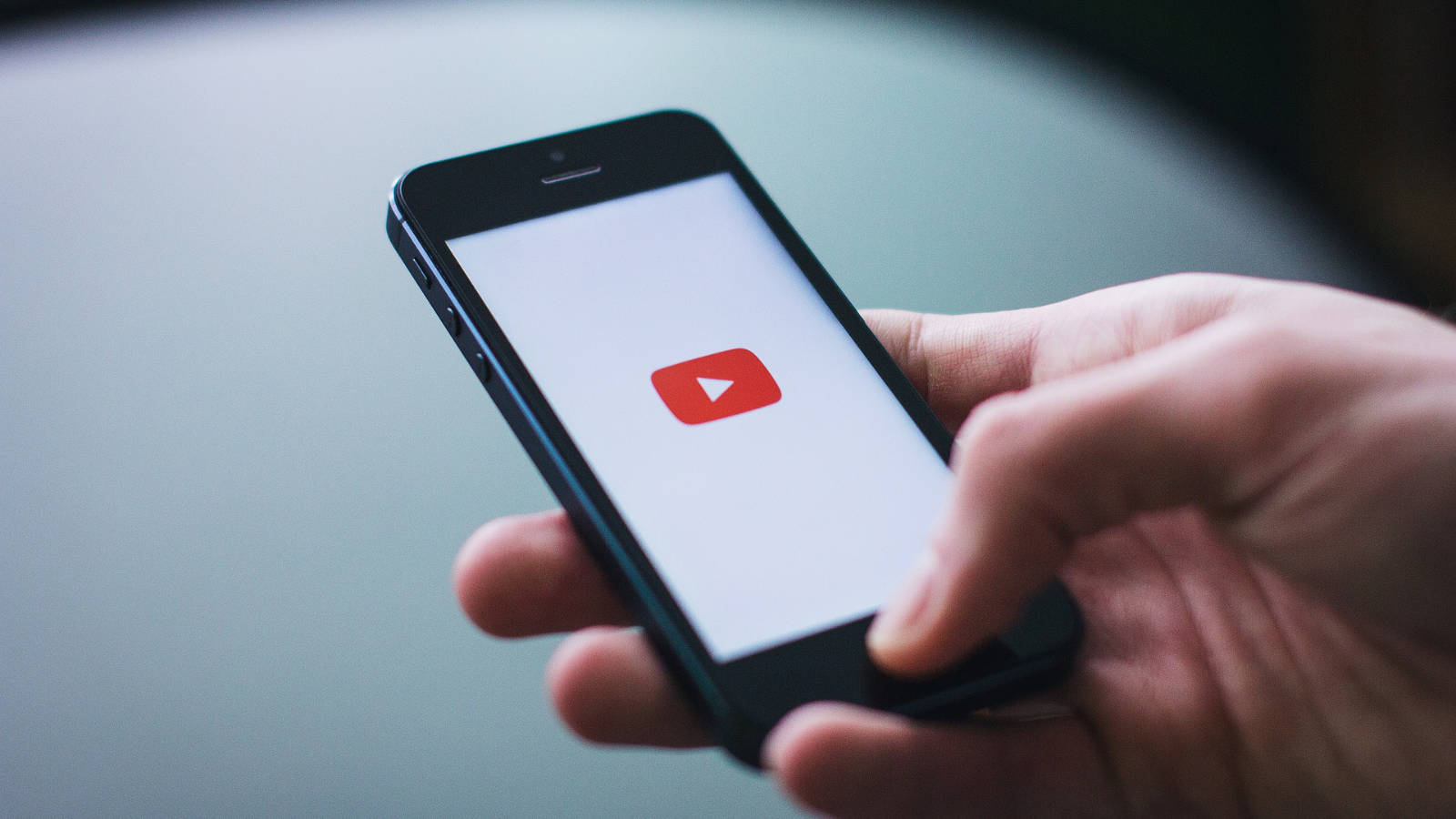
YouTube has responded by directing creators to a campaign page titled Keep YouTube Yours. The Google RSVP page supplied for the campaign displayed the title. At the same time, media reports said YouTube had alerted creators to the consultation and warned that proposed rules could affect how content is discovered on the platform.
Dexerto reported that YouTube sent some creators a message headed, “Proposed UK rules could control your feed. Keep YouTube Yours.” The report said the message encouraged creators to learn more about the proposals and submit responses to the Government.
The same report said YouTube argued that the proposals could require the platform to place some channels above others and limit independent creators’ ability to grow. Daily Jang also reported that YouTube had encouraged UK creators to take part in the consultation, saying the platform was concerned about a prominence regime favouring traditional broadcasters.
The Government paper says it does not view the consultation as a contest between traditional broadcasters, creators and video platforms. It says public service media providers and creators share interests in stability, income transparency and reliable routes to audiences.
The paper says any prominent work should be audience-led, future-proofed, device-neutral, outcomes-based, and built around fair commercial terms. It says users should continue to feel able to choose the content they want to see. That sentence is doing quite a bit of work, as consultations often do.
A further section examines television distribution. The Government says digital terrestrial television, the system used for Freeview, remains important for more than four million homes. Still, its use is declining, and the cost of maintaining the fixed network is becoming less sustainable for broadcasters.
The Government has committed to maintaining digital terrestrial television until at least the end of 2034. The green paper asks for views on a managed withdrawal either when current licences expire on 31 December 2034 or after a time-limited extension to 31 December 2044.
The paper says any move away from digital terrestrial television would require a structured support package for audiences, including people with limited income, poor broadband access, low digital confidence, or accessibility needs. It says any transition should preserve universal access to public service media.
The consultation also proposes a new media literacy duty for public service media providers, requiring them to develop and report on strategies to help audiences judge information more critically. It also suggests a joint initiative involving public service media, civil society, the wider media sector and technology companies.
The green paper sets out consultation questions for the public, industry and organisations. A Qualtrics survey link has been circulated for public feedback on the consultation. Reports on the YouTube creator campaign said responses can be submitted until 31 August 2026.
The Government says no final decision has been made on legislation for platform prominence. It says responses to the consultation will inform further work on the future of public service media, television distribution and the treatment of news and public service content on online platforms.
The Government is inviting public feedback on the Watch this space green paper, which sets out proposed future directions for UK media policy. Members of the public, media organisations, creators, broadcasters, publishers and other interested groups are being asked to share their views through the consultation survey. The feedback will help inform decisions on issues including public service media, trusted news, online platforms, content prominence, media literacy and the future of television distribution. The consultation gives audiences and industry voices an opportunity to comment before any final policy decisions are made.