Image by: Knelstrom Media.
Every meal starts in a field
By Martin Foskett, Reporter
PUBLISHED:
UPDATED:
Every civilisation eventually discovers the same uncomfortable truth. Supermarkets are not farms. Packaging is not agriculture. Loyalty cards do not photosynthesise. Every meal, whether served on fine china beneath crystal chandeliers or eaten from a paper tray on a retail park bench, begins in a field. Somewhere, often out of sight and increasingly out of mind, somebody has spent months gambling against weather, disease, markets and government policy so somebody else can complain that carrots have become twenty pence more expensive.
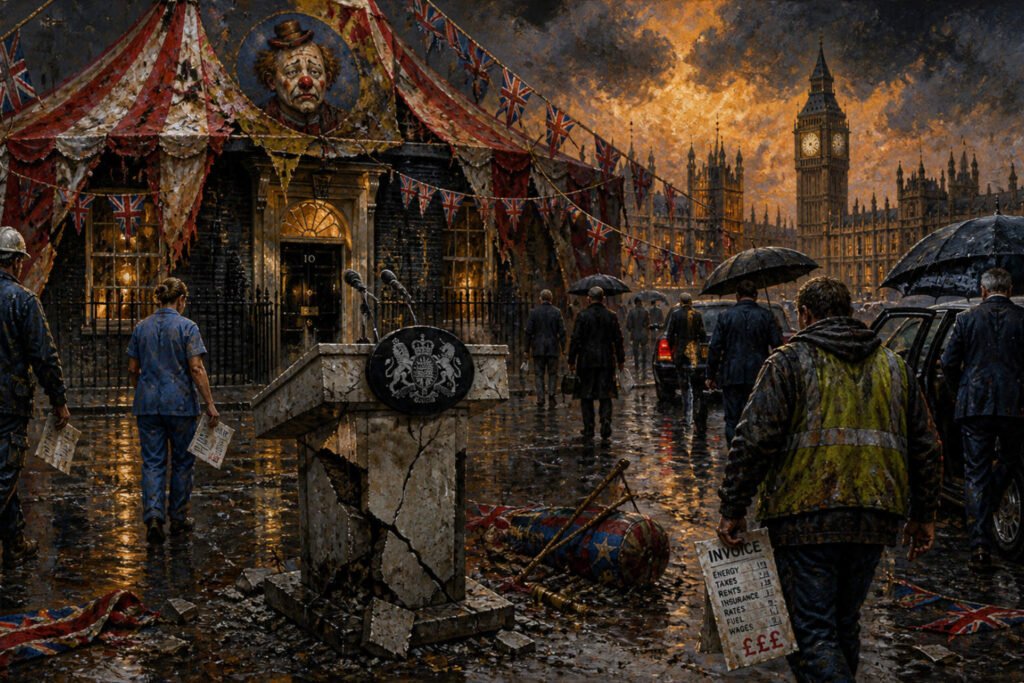
It is one of modern Britain’s quieter absurdities that the people producing food often occupy the lowest rung of public attention until shelves empty or prices rise. Then suddenly every television studio rediscovers farming for forty-eight hours before returning to discussions about influencers, celebrity divorces and whichever department has misplaced another few billion pounds.
Across the countryside, the rhythm remains stubbornly ancient. Dawn arrives whether Parliament is sitting or not. Wheat does not pause for Select Committees. Lambs have no interest in opinion polls. Rain falls with complete indifference towards Treasury forecasts. The entire system functions because thousands of farmers continue to make practical decisions, while much of modern politics busies itself inventing paperwork that grows with considerably greater enthusiasm than potatoes.
Fields possess an honesty absent from almost every other industry. Soil either produces a crop or it does not. Livestock either thrive or they fail. Nature has never accepted excuses written in policy language. It keeps no diversity targets, no stakeholder consultations and no glossy impact assessments. It merely responds to competence, patience and luck in proportions that would bankrupt most management consultants.
The remarkable achievement is not that food occasionally becomes expensive. The remarkable achievement is that it remains as affordable as it does.
Walk through any supermarket, and the shelves resemble a permanent miracle disguised as convenience. Fresh fruit from several continents. Milk delivered before breakfast. Bread that somehow appears every morning without the average shopper considering the machinery, diesel, fertiliser, storage, logistics, refrigeration and sheer human effort quietly stitched together behind every loaf.
Civilisation has become so efficient that abundance now disguises its own complexity.
Children increasingly believe milk originates inside plastic bottles. Chicken appears to emerge fully formed beneath fluorescent lighting. Chips simply exist. Even adults who pride themselves on being informed often possess only the vaguest notion that flour comes from wheat rather than an industrial machine hidden somewhere beyond the M25.
That distance between producer and consumer creates dangerous complacency.
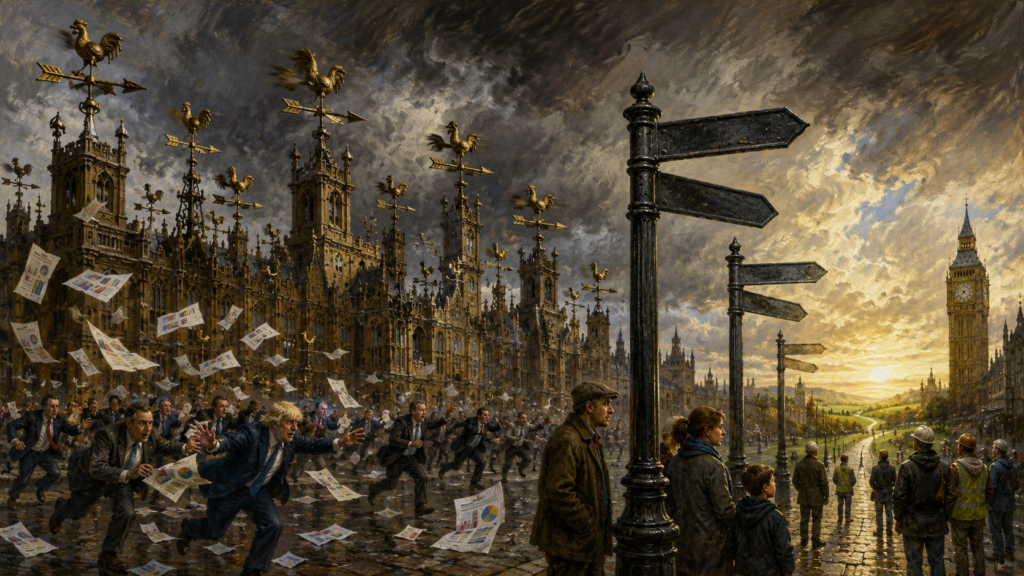
Food security is frequently spoken about only when another international crisis interrupts supply chains. Then politicians rediscover domestic agriculture with the urgency of holidaymakers searching for passports twenty minutes before departure. Speeches become patriotic. Cameras visit picturesque farms. Promises blossom faster than oilseed rape in April. Then normal service resumes. Regulations multiply. Costs rise. Planning delays continue. Imports quietly fill whatever gaps remain.
Meanwhile, the farmer carries on.
There is something profoundly British about this quiet persistence. The machinery gets repaired because it has to. Gates are rehung because sheep possess an almost supernatural enthusiasm for escaping through precisely the smallest available gap. Tractors continue crawling along country roads at speeds capable of infuriating commuters who rarely pause to consider that those inconvenient vehicles are transporting the ingredients of next week’s Sunday lunch.
The countryside rarely complains with theatrical flourish. It simply absorbs another difficult season and starts preparing for the next one.
Modern Britain often speaks passionately about sustainability while appearing oddly uncomfortable with the people actually responsible for sustaining anything tangible. Fashionable discussions celebrate local food until somebody objects to tractors. Environmental ambitions flourish until they collide with the uncomfortable arithmetic of producing enough food. Romantic visions of rural life survive only until confronted by mud, livestock medicine, diesel invoices and the unfortunate reality that cows have never respected office hours.
Agriculture remains one of the last industries where optimism is compulsory rather than optional.
Seeds are planted months before any return exists. Every growing season represents an investment built upon faith that weather, markets and governments will avoid simultaneously behaving like particularly determined saboteurs. It is entrepreneurship stripped back to its oldest form. Risk everything today for the possibility of reward tomorrow.
That deserves considerably more respect than it often receives.
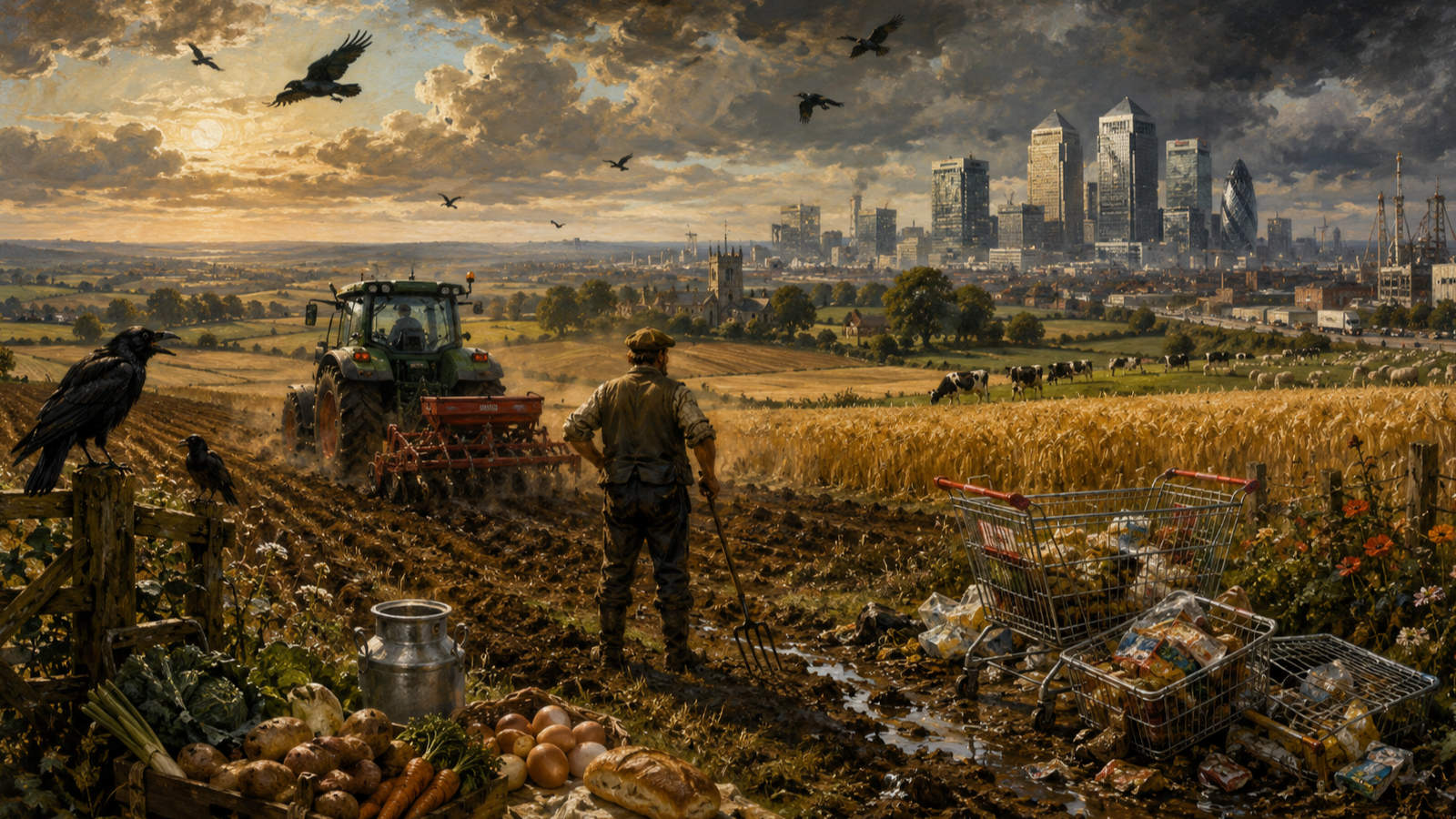
There is also something quietly magnificent about the landscape itself. Hedgerows stitched across Essex fields. Combines rolling through golden wheat beneath enormous August skies. Crows holding committee meetings on freshly turned soil. Church towers appearing above distant trees like old referees supervising another harvest. None of it exists by accident. Centuries of farming shaped those views long before tourism brochures discovered them.
Even the untidy corners tell stories.
Old barns leaning slightly after generations of weather. Rusting machinery retired beside nettles. Footpaths cutting through barley where walkers discuss weekend plans while passing fields worth hundreds of thousands of pounds in future harvests. Britain frequently celebrates its countryside without acknowledging that working landscapes remain working because people continue working within them.
Remove farming and the postcard eventually disappears.
Free markets reward efficiency, innovation and resilience. Agriculture demonstrates all three with remarkable consistency despite operating under pressures that would test almost any business sector. Farmers adopt new technology, improve yields, protect soil and balance environmental responsibilities because failure carries consequences measured not in quarterly reports but family livelihoods.
They ask for little beyond stable rules, sensible taxation and enough freedom to make long-term decisions.
That hardly resembles an outrageous demand.
The next meal, whether cooked in a fashionable city restaurant or a modest family kitchen, will still begin exactly where every previous meal has always begun. In a field. In soil. In rain. In early mornings. In stubborn determination. Long before packaging, pricing, marketing and politics enter the picture, somebody is standing beneath an unpredictable British sky hoping another season will justify another year.
Civilisation rests upon remarkably ordinary people doing remarkably ordinary things extraordinarily well.
That may never trend on social media. It probably will not dominate television debates. Yet without those quiet fields stretching beyond village boundaries, every fashionable discussion about the future would become irrelevant rather quickly.
Because every meal starts in a field.